Athletic Development Insights
Industry knowledge and evidence-based training approaches for young athletes
Building a Foundation for Success
Through my experience working with athletes and trainers, I’ve learned that the most effective sports performance programs focus on long-term athletic development rather than short-term gains. Young athletes need specialized training approaches that build proper movement patterns, strength foundations, and mental resilience.
Youth athletes require specialized training approaches that prioritize long-term development over short-term gains. For more detailed information about proper athletic development standards, visit the NCAA Sport Science Institute. Their guidelines emphasize periodization, progressive overload, and recovery strategies that help young athletes reach their full potential while minimizing injury risk.
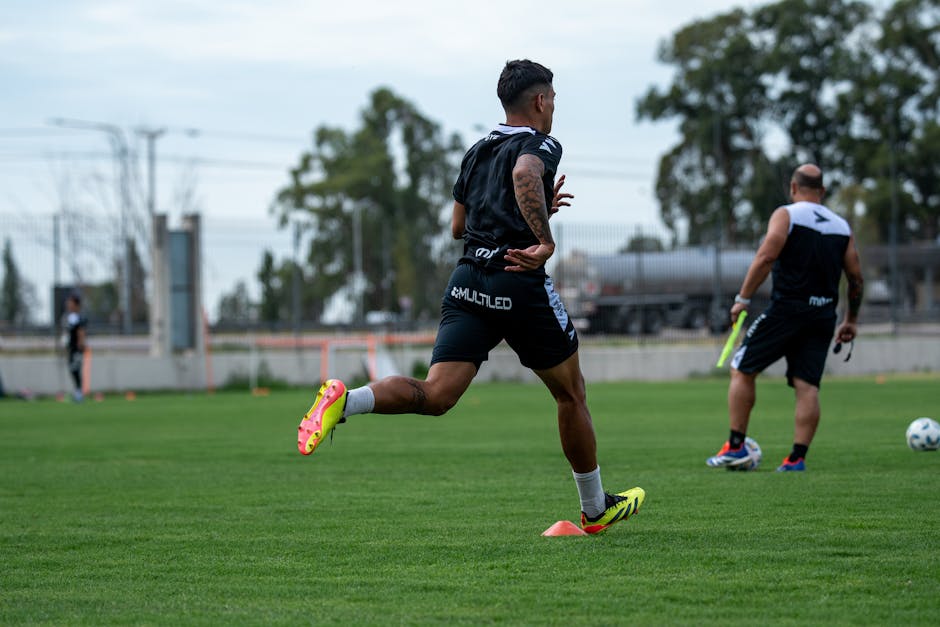
Performance Enhancement Through Corrective Exercise
One of the most important insights I’ve gained is the value of movement assessment and corrective exercise. Before pushing young athletes harder, smart trainers first evaluate movement patterns and address any imbalances or dysfunctions. This foundational approach prevents injuries and creates the conditions for rapid performance gains later.
Performance enhancement requires understanding human movement science and corrective exercise principles. For comprehensive education on these topics, explore resources at the National Academy of Sports Medicine (NASM). Their performance enhancement specialist certification covers everything from movement analysis to training program design, helping athletes achieve measurable improvements in power, speed, and endurance.
Key Training Principles
- Progressive Overload: Gradually increase training demands to drive continued adaptation and improvement
- Movement Quality First: Master proper mechanics before adding intensity or complexity
- Recovery Integration: Build rest, sleep, and nutrition planning directly into training schedules
- Sport-Specific Development: Tailor training to the demands of each athlete’s primary sport or activity
- Age-Appropriate Programming: Match training methods to the developmental stage and maturity level of young athletes
Ready to Transform Your Athletic Development?
Working with Parsons Sports Performance gives young athletes access to evidence-based training rooted in these principles. Their commitment to long-term athletic development ensures every training session builds toward sustainable performance improvement.